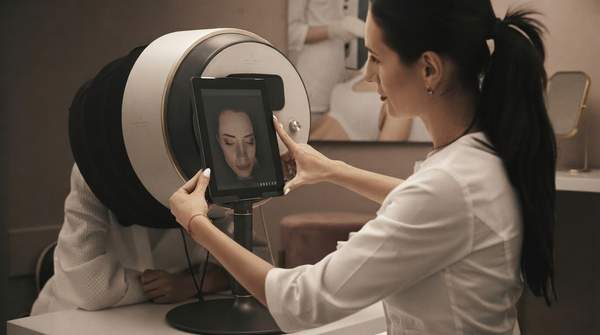
AI-powered skincare tools fall into two main categories, and the right choice depends less on brand than on mechanism. Some devices analyze your skin to generate reports, product suggestions, and progress tracking; others use AI to guide or enhance an actual physical treatment. Understanding that split—what data each type collects, what it outputs, and how it fits your budget and privacy preferences—is the fastest way to narrow the field.
Understanding AI in Personalized Skincare
The core appeal of AI in skincare is adaptability. Traditional products, even well-formulated serums and creams, can only offer a one-size-fits-all approach, while AI-driven tools personalize to the individual. A review of AI in customized skincare regimens, published in the PMC research library, describes the underlying capability: AI systems can process vast amounts of data, analyzing factors such as skin type, age, genetics, lifestyle, and external influences like UV exposure, pollution, and climate.
That processing power is what distinguishes these tools from ordinary beauty gadgets. The same review notes that AI can recommend skincare ingredients suited to an individual's unique chemistry and environment, with the ability to make dynamic, real-time adjustments rather than relying on a static routine. Market analysis from Grand View Research reflects how broadly this has spread, describing technology-enabled offerings that include skin analysis devices, personalized skincare systems, smart beauty tools, and connected wellness products from major global brands and startups alike.