If you are shopping for an at-home beauty tool, the most useful question is not which device is buzziest, but which technology matches your primary skin concern. The evidence on at-home devices points to three main categories: LED light therapy, microcurrent devices, and manual or cryo tools. Each works through a distinct mechanism, targets a different concern, and demands a different commitment level. This guide compares the categories—not specific brands—so you can match the technology to your goals before you spend.
LED Light Therapy: Targeting Specific Skin Concerns
LED tools deliver light at specific wavelengths, and the color of the light determines what it does. According to beauty publication The Essence, blue LED light—typically around 405 to 420 nanometers—targets acne-causing bacteria (Propionibacterium acnes) and helps reduce breakouts, while also reducing excess oil production that can prevent future acne. Red light, by contrast, is primarily focused on anti-aging and skin rejuvenation.
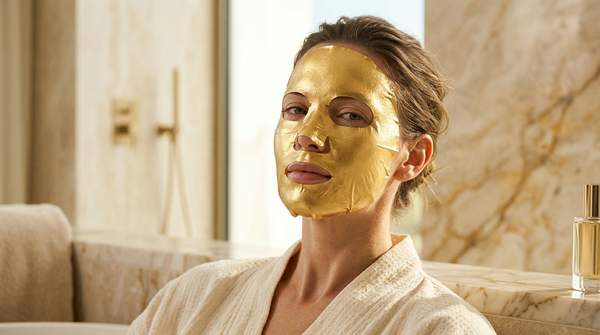
That means an LED mask is not a single-purpose purchase: the same device category can address acne, oiliness, or signs of aging depending on the wavelength used. The Essence notes that many skincare routines benefit from combining both therapies to address multiple concerns. The trade-off is patience—LED therapy is a gradual, cumulative treatment rather than an instant fix, and it requires regular use for optimal results.