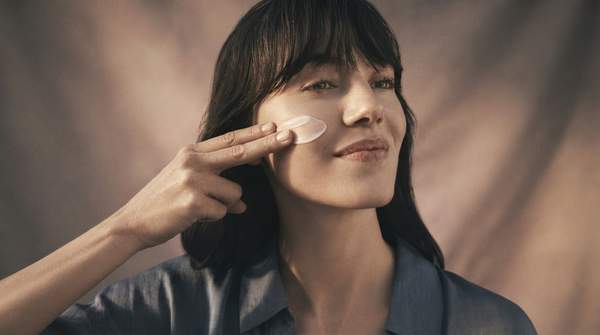
Facial massage techniques are not interchangeable. A randomized controlled trial comparing facial rollers and gua sha found the two work through distinctly different mechanical principles: rollers primarily affect superficial circulation and lymphatic drainage, while gua sha's deeper tissue manipulation produces more substantial changes in muscle tone and fascial organization. Facial yoga, meanwhile, targets muscle tonus and stiffness through exercise rather than external manipulation. Choosing well means matching the mechanism to your goal—puffiness, muscle tension, or muscle strength.
Understanding Facial Massage: Beyond Anecdote
Facial massage has surged in popularity, propelled in no small part by social media, but the science behind it is uneven. Reported benefits include improved markers of skin health such as visible skin fullness, tension, and blood flow, though these carry varying levels of research support. A 2018 study of 50 people found that massage with a Pao device may increase facial muscle thickness, with researchers suggesting this could aid "facial rejuvenation"—a term they themselves described as loosely defined.
Skepticism remains substantial among specialists. Dr. Cara McDonald, a specialist dermatologist based in Victoria, notes that "there are not many randomised control trials, which are the gold standard in scientific research." Sydney-based dermatologist Dr. Natasha Cook is blunter still, calling the benefits "fundamentally mythological" and describing facial massage as "a glorified facial" that does not address the underlying essence of aging. The techniques below are best understood as supported to different degrees, not as proven cures.
Gua Sha: Deep Tissue Manipulation for Muscle and Fascia
Gua sha involves scraping a smooth-edged tool over the skin to release tension and improve circulation and lymph drainage. What distinguishes it mechanically is its basis in IASTM—Instrument-Assisted Soft Tissue Mobilization—which engages tissue at depth rather than gliding only across the surface. According to the comparative trial, this deeper engagement may lead to more substantial changes in facial muscle tone and fascial organization than superficial techniques can achieve.
The trial's authors concluded that gua sha is the more appropriate choice for patients presenting with increased muscle tension or deep tissue restrictions contributing to facial contours, particularly where appearance is affected by muscular factors such as masseteric hypertrophy or elevated muscle tone. In other words, if your concern is a tight jaw or muscle-driven fullness, gua sha's mechanism is the one that plausibly addresses it.