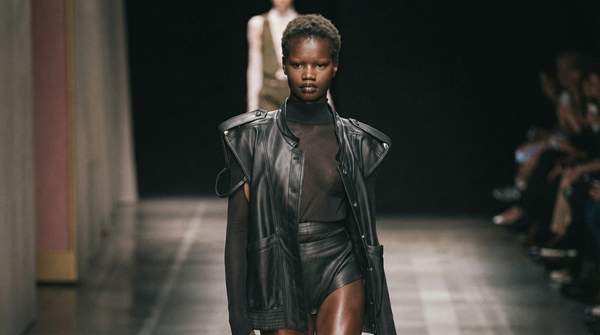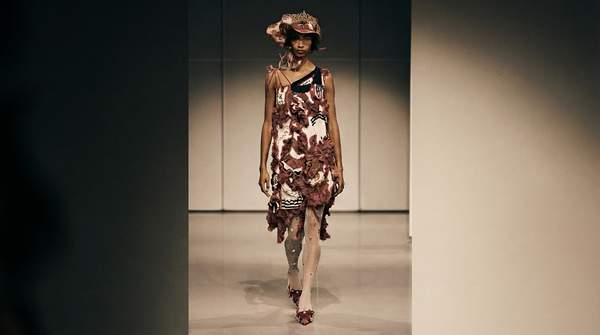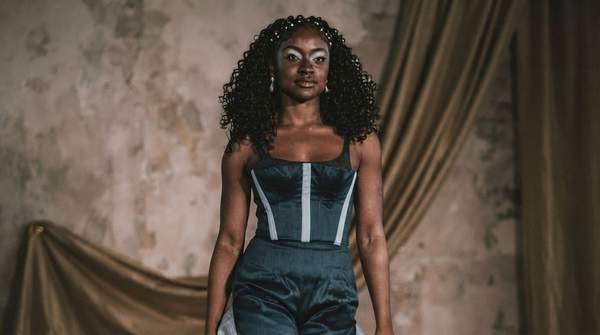
Community fashion shows are no longer just about clothes. Three recent events show three distinct ways a runway can serve a community: feeding people, building health awareness, and strengthening a local creative economy. Here is how each one works.
Thrift the Runway: Fashion for Charitable Fundraising
What if a fashion show could literally feed people? In Gloucester, Massachusetts, The Open Door food pantry put that question on the runway.
The organization's "Thrift the Runway" show, held in mid-September, sold out. More than 400 attendees filled The Cut on Main Street. The mission was direct: raise money to help feed local people, with proceeds benefiting The Open Door's food pantry programs.
The fashion itself carried the message. More than 100 looks were styled and accessorized entirely with clothing donated to The Open Door's Second Glance thrift store. After the show, the featured outfits, shoes and accessories, including upcycled designs, were sold at Second Glance, extending the fundraising beyond the event itself.
This is the charitable fundraising model at its most literal. The clothes are the cause. Donated items become runway looks, and runway looks become meals. You can see the full loop: community donations, community attendance, community benefit.
Sweet Baby KD Foundation: Fashion for Health Awareness and Confidence
Can a runway change how someone feels about a medical device? In Savannah, Georgia, the Sweet Baby KD Foundation bet that it could.
The foundation held its first diabetes awareness fashion show on a Saturday night in November 2026, as reported by WTOC's Julianne Sheehan. Founder De'Anna Dudley launched the organization after her daughter, Mackenzie, was diagnosed with Type 1 diabetes at age three.
The show's most striking image: models, including Mackenzie, walked with insulin pumps and other medical devices visible on the runway. "They can feel confident wearing those devices, you know, just because you are wearing a device, it doesn't define who you are," Dudley said. "You got it, you're unstoppable, you can live life to the fullest potential."
Awareness was the other half of the mission. A panel discussion encouraged attendees to ask questions to fully understand a diagnosis. "They are getting paid to be there, and you're paying to be there, make the most of that opportunity," one panelist said.
The event also leaned on local partnership. Tony Sutton-Toussaint, co-founder of the sponsor Suttaco, framed the stakes broadly: "People need to understand health, it's not just about diabetes, it's about knowing where those resources are, how you can support the community."
This is the health awareness model. The runway is a stage for visibility, and visibility works in two directions: showing devices without shame, and showing a community where health resources are within reach.
Columbia Fashion Week's Underground Runway: Supporting Local Creative Economies
Not every community show is built around a single cause. Some exist to build the ecosystem itself.
On November 19, 2026, the Underground Runway, the fifth event of Columbia Fashion Week, took place at the Ernest A. Finney Jr. Cultural Arts Center in Columbia, South Carolina. The runway featured streetwear fashion from local designers, documented by the Post and Courier's Kaylee Keisler.
The event's host gives it its purpose. Columbia Fashion Week describes its mission as bringing "visibility to the culture of fashion in the Capital City and strengthening the social and economic impact fashion plays in our community." The organization hosts designer runway showcases, local shopping events, charity events, networking mixers and award ceremonies, and welcomes designers, stylists, models, beauty artists, photographers, brands and media professionals to produce them.
One caveat matters here. The Underground Runway itself did not publish a specific mission statement in the available coverage. Its community value is inferred from its host's stated mission and its focus on local streetwear designers, rather than from an explicit charitable goal like the other two shows.
Still, the model is distinct. Where Gloucester raised funds and Savannah raised awareness, Columbia invested in visibility: giving local designers a stage, and giving the city's fashion culture a public face.
Comparative Impact: Diverse Models of Community Engagement
Put the three shows side by side, and the differences in mechanism jump out. Each event uses the same basic format, a runway and an audience, to produce a completely different kind of social value.
Comparing Community Fashion Shows: Mission, Style, and Impact
| Event & Location | Primary Mission | Fashion Focus | Stated Social Impact |
|---|---|---|---|
| Thrift the Runway, Gloucester, Massachusetts | Raise money for local food pantries | Styled, upcycled thrift store clothing, sold afterward at Second Glance | Benefits The Open Door food pantries, addressing food insecurity |
| Sweet Baby KD Foundation show, Savannah, Georgia | Raise diabetes awareness | Runway looks featuring visible insulin pumps and other medical devices | Diabetes awareness plus confidence-building for people wearing medical devices |
| Underground Runway, Columbia, South Carolina | Showcase local streetwear designers (inferred from host's mission) | Streetwear from local designers | Strengthens the social and economic impact of fashion in the community, per Columbia Fashion Week's stated mission |
Read the table as three mechanisms, not three events. Gloucester converts fashion into money for a defined beneficiary. Savannah converts fashion into visibility for a health condition and the people living with it. Columbia converts fashion into exposure and economic opportunity for local creatives.
These local events also reflect a broader shift in how fashion shows are understood. Writing on the rise of cultural fashion shows, Fashinnovation argues that such events "transcend mere clothing displays, becoming spectacles where each piece tells a story," and that fusing ancestral cultures with contemporary trends strengthens appreciation of global diversity. The three shows here apply that same logic at street level: the runway becomes a platform for a story about hunger, illness, or hometown talent.
Two boundaries on this analysis. It covers three specific recent events, not an exhaustive survey of community fashion. And the social impact described is based on each event's stated goals and reported outcomes, not an independent audit of effectiveness.
Recognizing the Evolving Impact of Community Fashion
So how do you tell what a community fashion show is actually for? Readers can identify the specific social or cultural mission of a community fashion show by examining its stated purpose, featured fashion, and reported outcomes.
The check is simple. Look for the presence of explicit mission statements, beneficiary organizations, or community engagement initiatives in event promotions and reporting. Gloucester named its beneficiary. Savannah's founder named her purpose and her daughter's diagnosis. Columbia's host named its mission for the city's fashion culture. When those markers are present, the show's social value is legible. When they are absent, as with the Underground Runway's own event materials, the mission has to be inferred from the host, and you should treat it accordingly.
Sources
- Fashion feeding people: Runway show benefits Open Door food pantries — Gloucester Daily Times
- Savannah foundation holds first diabetes awareness fashion show — WTOC
- Photos: Underground Runway brings streetwear to Columbia Fashion Week — Post and Courier
- About Us — Columbia Fashion Week
- Cultural Fashion Shows: The Rise and Transformative Impact — Fashinnovation