In 1937, surrealist master Salvador Dalí collaborated with fashion icon Elsa Schiaparelli to create a women's dinner dress featuring a vibrant lobster print. This silk organza gown, adorned with a crimson lobster, blurred the lines between haute couture and avant-garde art, permanently etching itself into cultural history, according to Art Basel. This partnership transformed a garment into a wearable statement, challenging conventional aesthetics and shaping fashion design history.
Fashion is often seen as ephemeral and purely commercial, with trends emerging and fading quickly. Yet, it consistently draws deep, lasting inspiration from fine art movements, transforming transient styles into enduring cultural statements.
This symbiotic relationship will continue to evolve, pushing creative boundaries and challenging traditional definitions of both disciplines. The dialogue between art and fashion moves beyond mere inspiration, embracing explicit collaborations that redefine both fields.
Beyond the Canvas: How Art Shapes the Runway
Rei Kawakubo, founder of Comme des Garçons, designed costumes for the Merce Cunningham Dance Company's 'Scenario' in 1997. This collaboration, noted by Art Basel, integrated garments into performance art, moving beyond traditional runway presentations. Kawakubo transformed clothing into an integral part of a larger artistic vision, challenging the conventional boundaries between clothing and costume. Such interdisciplinary partnerships inject avant-garde concepts directly into haute couture, effectively turning the fashion runway into a dynamic gallery for challenging aesthetics and pushing creative limits.
The Creative Process: Translating Art to Garment
Designers regularly engage with artistic principles, deconstructing elements like Cubist geometry or Pop Art's consumer critique into wearable forms. This process is a sophisticated translation, incorporating an art movement's underlying philosophy, not just its visuals. For instance, De Stijl's bold color blocking and abstract shapes found new life in minimalist fashion designs decades later. Designers meticulously adapt artistic themes, color palettes, forms, and techniques, ensuring the garment retains the art's essence while functioning as fashion. This deep, deliberate translation process elevates design, suggesting fashion's lasting cultural relevance stems from integrating core artistic methodologies.
Navigating Inspiration: Challenges in Artistic Adaptation
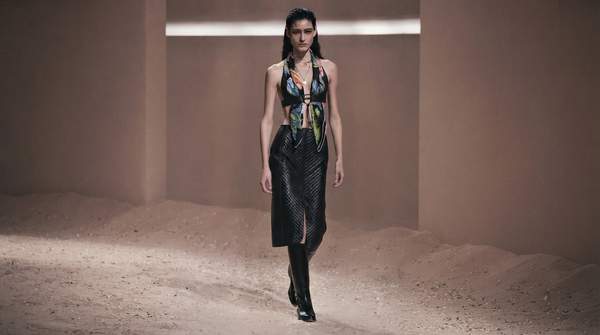
A significant challenge in adapting fine art to fashion lies in avoiding superficial appropriation. Reducing complex artistic movements to mere surface aesthetics risks diluting their original meaning and can lead to accusations of cultural appropriation. For example, borrowing an indigenous art motif without understanding its cultural context transforms a sacred symbol into a fleeting trend. This superficial engagement undermines meaningful collaboration and reinforces fashion's perception as purely commercial or exploitative. Thoughtful, respectful engagement is crucial when drawing from artistic traditions.
Common Questions: Art and Fashion's Intersections
What are the main art movements that influenced fashion?
Several major art movements have significantly shaped fashion design. Art Nouveau, for instance, inspired flowing, organic lines and natural motifs in early 20th-century garments. Surrealism, as seen in Elsa Schiaparelli's work, introduced dreamlike imagery and challenged conventional silhouettes. Pop Art later brought bold colors, graphic prints, and consumer culture motifs into mainstream fashion, reflecting societal shifts.
How did the Renaissance influence fashion?
The Renaissance period, spanning roughly from the 14th to the 17th century, influenced fashion through its emphasis on humanism and classical ideals. Clothing became more structured and elaborate, reflecting new wealth and social status, with rich fabrics like velvet and brocade becoming prominent. Portraits from artists like Titian showcase voluminous sleeves and intricate embroidery that defined the era's aristocratic attire.
How did Impressionism affect clothing styles?
Impressionism, emerging in the late 19th century, subtly influenced fashion by reflecting a freer, more fluid approach to life and art. While not directly dictating specific garment designs, the movement's focus on capturing fleeting moments and natural light encouraged lighter fabrics, softer silhouettes, and a more relaxed aesthetic in clothing. This shift moved away from rigid Victorian corsetry towards garments that allowed for greater movement, mirroring the Impressionists' desire to capture life as it happened.
The Enduring Dialogue: What the Future Holds
The continuous dialogue between art and fashion ensures both fields remain vibrant and reflective of evolving societal values. This ongoing cross-pollination promises a future of blurred creative boundaries, where garments serve as canvases for profound artistic expression. Designers and artists will likely seek increasingly avant-garde collaborations, pushing the limits of what clothing can be. Innovative brands like Loewe, known for its sculptural forms and Jonathan Anderson's conceptual approach, will likely continue to champion these direct partnerships, ensuring fashion remains a dynamic cultural force.