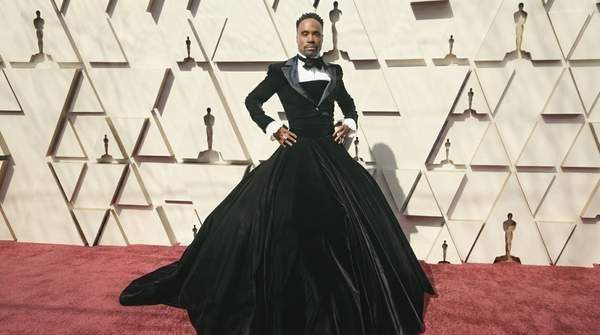
The 2026 LACMA Art+Film Gala red carpet wasn't defined by a single designer or silhouette — it was defined by five distinct styling strategies working side by side. Some stars reached decades into fashion history, wearing dresses that had already lived full lives. Others commissioned one-of-a-kind pieces from major houses, championed newer labels, or simply wore the season's most-coveted looks straight from the runway. Here is how the evening's most talked-about looks break down by strategy, and what each approach says about where celebrity styling is heading.
Archival Revival: Honoring Fashion History
The strongest through-line of the night was the return of the archive. Brittany Snow set the tone in a pink Ralph Lauren dress from the Spring 2004 collection — a piece Red Carpet Fashion Awards' Catherine Kallon noted "never seems to age," calling it "simple, elegant and a reminder of just how good Ralph Lauren's eveningwear can be." Styled by Yael Quint and finished with Buccellati diamonds, the look made the case that a two-decade-old gown can read as current as anything fresh off a runway.
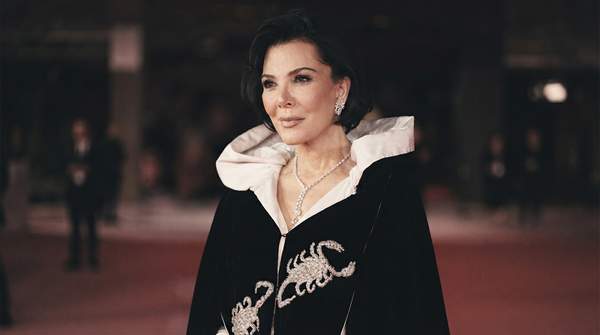
Olivia Munn doubled down on the vintage narrative. Quint styled her in a black velvet vintage Mugler gown with a sculpted neckline, a look Kallon described as "glamour here that feels like it belongs to another era, in the best possible way." Munn amplified the effect with an Asprey London Storm diamond necklace — old-world drama executed with modern precision.
The most dramatic archival moment, though, belonged to Anya Taylor-Joy. Both ELLE and Harper's BAZAAR identified her look as vintage Pierre Cardin from 1997, and WWD reported that the piece was an archival Pierre Cardin haute couture bridal gown, repurposed for the red carpet. Rather than treating the gown's bridal origins as a limitation, the styling reframed them — a couture artifact from nearly three decades ago became the evening's most theatrical statement.
Custom Creations: The Art of Bespoke Glamour
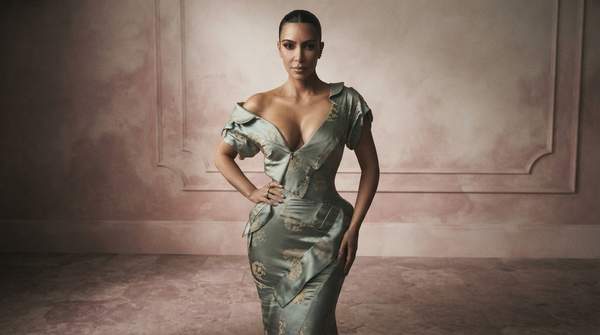
At the opposite end of the spectrum sat the made-for-one approach. ELLE's roundup of the gala's must-see looks recorded a striking cluster of custom Gucci: Kim Kardashian, model Alex Consani, Soo Joo Park and writer-curator Antwaun Sargent all wore custom pieces from the Italian house. That concentration is telling — when a single label dominates a gala's bespoke tier, it signals a house actively courting the red carpet as a storytelling stage.
Custom work offers something archival cannot: a garment built around one person's body, brief and narrative. It is also the most collaborative of the strategies, requiring a house to invest its ateliers in a single night's exposure. For celebrities like Kardashian and Consani, custom Gucci guaranteed a look no other attendee could replicate — the ultimate exclusivity play on a carpet crowded with borrowed couture.
Championing Emerging Talent: A Platform for New Voices
Not every attendee leaned on heritage. Kylie Jenner wore Ashi Studio, per both ELLE and Harper's BAZAAR — a choice that brought a smaller, architecturally-driven label onto one of the year's most photographed carpets. For an emerging house, a single appearance on a star of Jenner's visibility can translate into a level of global recognition that advertising budgets rarely buy. Her look also aligned with the gala's spirit: art-forward fashion on an art-world stage, where an unconventional silhouette reads as a curatorial choice rather than a risk.
The strategy works precisely because the red carpet rewards novelty. When established stars repeatedly default to the same handful of major houses, a distinctive silhouette from a newer name cuts through the sameness — and signals a celebrity willing to use their platform as an endorsement, not just a display.
Red Carpet Fashion Strategies at a Glance
Use this table to compare the night's representative looks side by side — each row categorizes a celebrity by styling strategy based on the designer and the garment's reported origin.
| Celebrity | Designer | Styling Strategy | Key Details |
|---|---|---|---|
| Brittany Snow | Ralph Lauren | Archival Revival | Pink dress from the Spring 2004 collection; Buccellati diamonds; styled by Yael Quint |
| Olivia Munn | Mugler | Archival Revival | Vintage black velvet gown with sculpted neckline; Asprey London Storm diamond necklace; styled by Yael Quint |
| Anya Taylor-Joy | Pierre Cardin | Archival Revival | Vintage 1997 haute couture bridal gown, reported repurposed for the red carpet |
| Kim Kardashian | Gucci | Custom Creation | Custom design; Alex Consani, Soo Joo Park and Antwaun Sargent also wore custom Gucci |
| Kylie Jenner | Ashi Studio | Emerging Talent | Chose a smaller house over an established luxury giant |
| Nicole Kidman | Chanel | House Ambassadorship | Represented a major house on the carpet; Rosé wore Saint Laurent with Tiffany & Co. jewelry |
Read together, the rows reveal the night's underlying structure: the archival camp drew on three separate decades of fashion history, Gucci monopolized the custom tier, and the house-loyalty lane — Kidman in Chanel, Rosé in Saint Laurent — provided the classic red carpet counterweight. No single approach owned the evening; the carpet's diversity of sourcing was itself the story.
Evolving Red Carpet Narratives: What to Watch For
The 2026 LACMA Gala red carpet demonstrated a clear shift toward diverse styling narratives, moving beyond solely current season couture to embrace fashion history and emerging talent. Snow, Munn and Taylor-Joy proved archives can headline a major gala, the Gucci contingent showed the enduring pull of bespoke, and Jenner's Ashi Studio choice kept the door open for newer names.
For readers tracking where celebrity styling goes next, the measurable indicator is straightforward: future red carpet events will likely continue to feature a strong presence of archival pieces and custom designs, alongside increased visibility for emerging designers, indicating a more varied and storytelling-driven approach to celebrity fashion. Watch the next major winter gala — if vintage citations and smaller-label credits keep pace with this carpet's ratio, the trend has moved from experiment to standard.