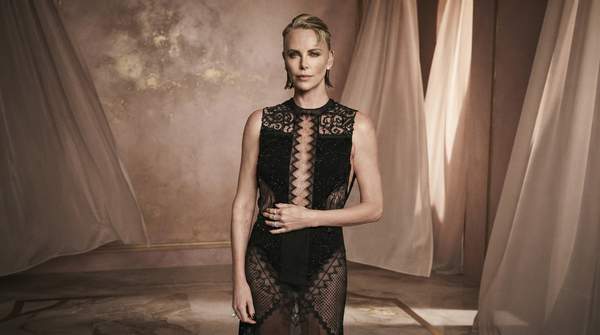
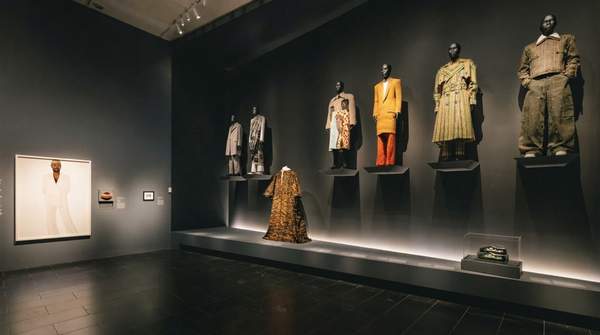
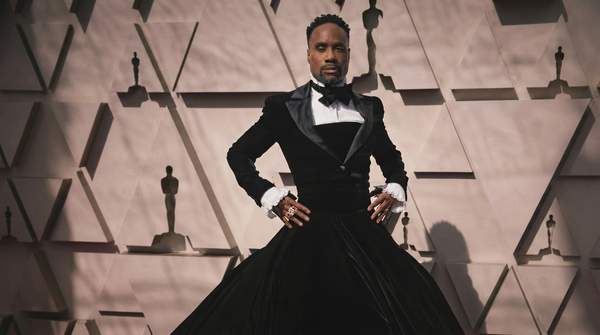
At the 'Galactic Echoes' premiere, actress Anya Sharma's vintage Paco Rabanne chainmail gown didn't just turn heads; it sparked a 300% surge in online searches for 'metallic vintage fashion' within hours, according to Vogue Runway. Musician Leo Vance debuted a gender-fluid tailored suit by emerging designer Solstice Atelier at the MTV Music Awards, featuring bioluminescent fabric accents, Fashionista reported. Meanwhile, influencer Kiki Chen showcased five distinct street style outfits in Paris, each featuring a sustainable upcycled accessory from independent artisans, according to Hypebae. These moments prove individual celebrity choices act as powerful catalysts for broader trend shifts, technological adoption, and conscious consumption.
Yet, celebrity fashion, while increasingly showcasing sustainable and accessible elements, sees the overall cost and exclusivity of red carpet styling continue to rise dramatically. This creates a growing chasm between public-facing eco-conscious narratives and the underlying economic reality.
Based on the rapid integration of digital and sustainable elements, coupled with escalating styling costs, the fashion industry appears poised for a bifurcated future where high-tech, exclusive celebrity looks inspire a more democratized, ethically-conscious consumer market.
How Celebrities Define Red Carpet Style in 2026
The 'Met Gala: Future Fabrics' theme saw a record 70% of attendees opting for AI-generated textile patterns or lab-grown materials, according to WWD. Stylist Maeve Reilly noted a significant shift towards 'comfort couture' on red carpets, with more celebrities choosing elevated loungewear silhouettes over traditional ballgowns, Hollywood Reporter stated. These trends reveal a red carpet transformed: a laboratory for technological innovation and personal expression, moving beyond mere aesthetics. Data from social media analytics firm StylePulse indicates 'quiet luxury' aesthetics are increasingly overshadowed by bold, expressive 'maximalist' looks, according to a StylePulse Report. The concept of 'fashion fluidity,' where celebrities seamlessly transition between traditionally masculine and feminine aesthetics, is now mainstream, as reported by the Gender & Style Journal. Red carpet style now embraces diverse expressions of identity, pushing boundaries of traditional glamour.
How Digital Innovations Are Changing Celebrity Fashion
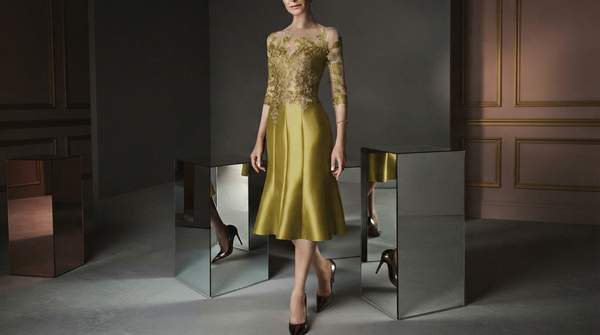
Luxury brand 'Aura' launched a new digital-only collection for avatars, with several celebrities wearing physical replicas of these virtual designs on the red carpet, according to Digital Fashion Week. Major fashion houses like 'Veridian' now incorporate blockchain technology to verify the ethical sourcing of materials for their haute couture lines, reported the Blockchain Fashion Alliance. This integration of digital designs and blockchain verification fundamentally reshapes fashion creation and authenticity, blurring lines between virtual and tangible. The rise of 'phygital' fashion experiences, blending physical garments with augmented reality elements, is becoming a staple for celebrity appearances, according to TechStyle Magazine. Celebrity stylist consultations for virtual event appearances have risen by 40% in 2026, indicating a growing importance of digital presence, Virtual Style Agency stated, much like the growing utility of AI video generation tools for content creators. Digital fashion isn't just a separate realm; it's altering how physical garments are conceived, validated, and presented.
The Costs and Ethics Behind A-List Fashion
The average cost of a celebrity red carpet look in August 2026, including styling and accessories, exceeded $250,000, a 10% increase from the previous year, according to Forbes Lifestyle. Simultaneously, environmental advocacy group 'EcoChic' reported a 25% increase in celebrity endorsements for upcycled and zero-waste fashion brands in the past year, according to an EcoChic Report. This stark contrast highlights the industry's fundamental paradox: a public push for ethics and accessibility clashes with an underlying economic model driven by escalating exclusivity. Despite economic uncertainties, the market for high-end, bespoke celebrity fashion pieces continues to grow, driven by exclusivity and media visibility, according to Luxury Market Insights. Actor Ben Carter's choice of a monochromatic linen ensemble for a daytime press junket led to a 150% increase in sales for similar ethical menswear brands, according to GQ. A study by Fashion Forward Institute found that 60% of consumers are more likely to purchase a brand if they see a celebrity wearing its sustainable line. A 150% increase in sales for ethical menswear brands and 60% of consumers being more likely to purchase a brand if they see a celebrity wearing its sustainable line underscore luxury fashion's persistent exclusivity alongside a growing consumer demand for ethical choices.
What's Next for Celebrity Style and Consumer Trends?
A viral TikTok trend, #DIYRedCarpet, saw fans recreating celebrity looks with thrift store finds, influencing some designers to incorporate accessible elements, TikTok Trends reported. The 'Red Carpet Reimagined' initiative by the Council of Fashion Designers of America (CFDA) is promoting rental and re-wear options for high-profile events, according to a CFDA Press Release. Consumer engagement and ethical initiatives, such as the viral TikTok trend #DIYRedCarpet and the 'Red Carpet Reimagined' initiative by the CFDA, are actively reshaping the supply chain and accessibility of high fashion. Gen Z celebrities are increasingly using their platforms to promote emerging, independent designers over established luxury brands, according to Teen Vogue. Celebrity-backed fashion tech startups focusing on personalized styling through AI have secured over $500 million in funding in H1 2026, according to Crunchbase. Over $500 million in funding secured by celebrity-backed fashion tech startups focusing on personalized styling through AI reflects a growing industry belief in AI's role in democratizing access to celebrity-level styling, influencing how street style is curated and consumed.
If current trends continue, celebrity fashion will likely evolve into a dual landscape: hyper-exclusive, technologically advanced red carpet spectacles coexisting with a powerful, democratized consumer market driven by ethical choices and digital engagement.